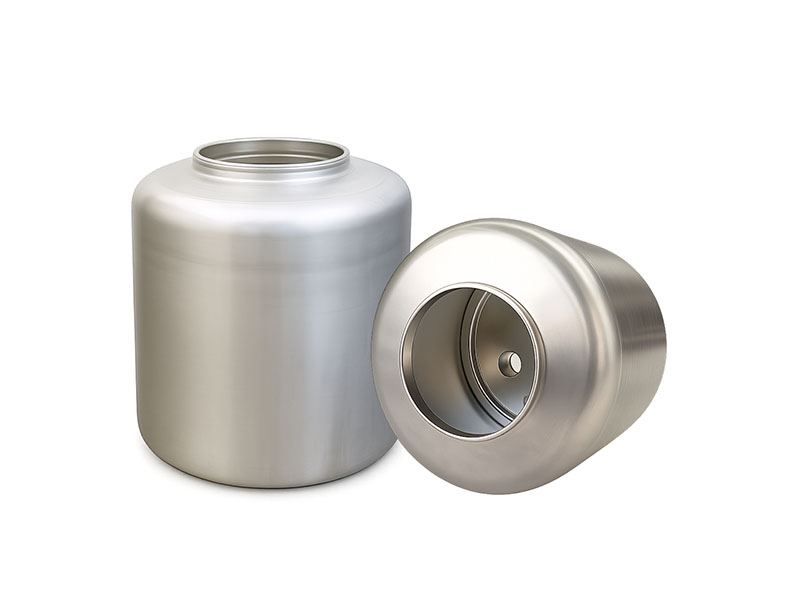
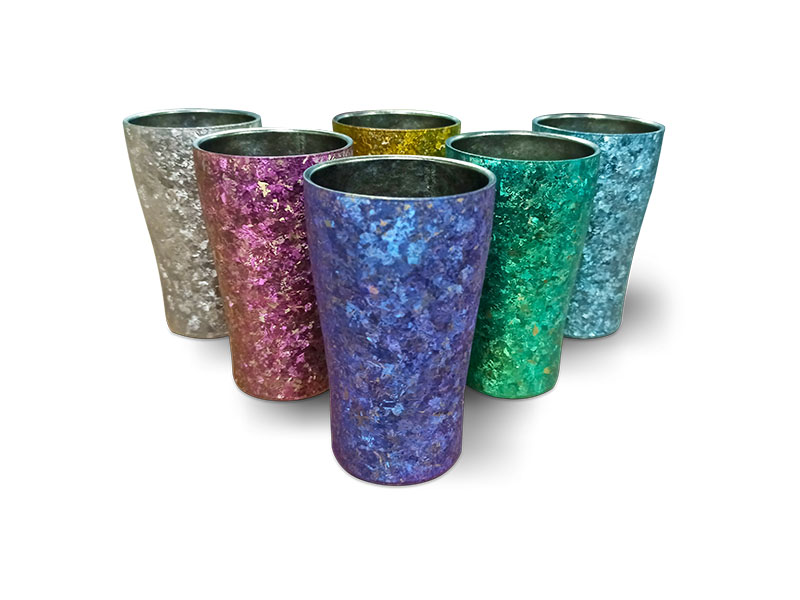
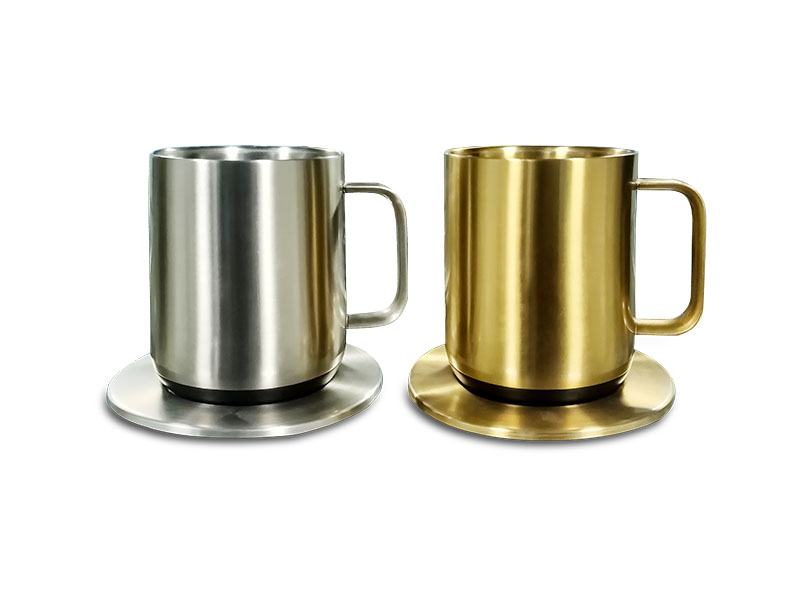
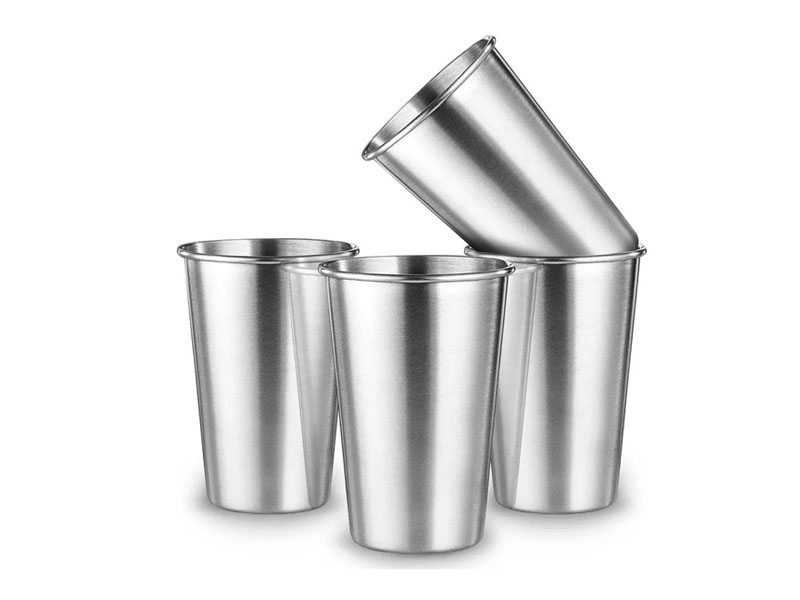
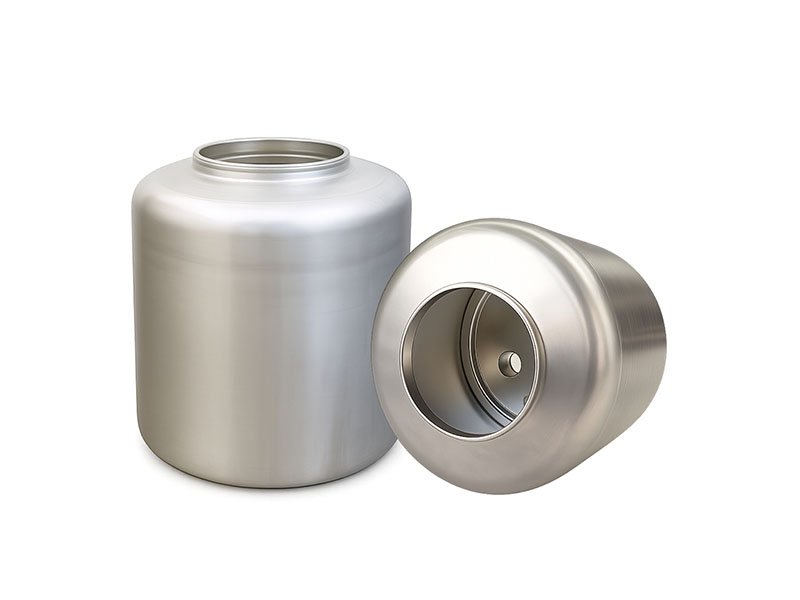
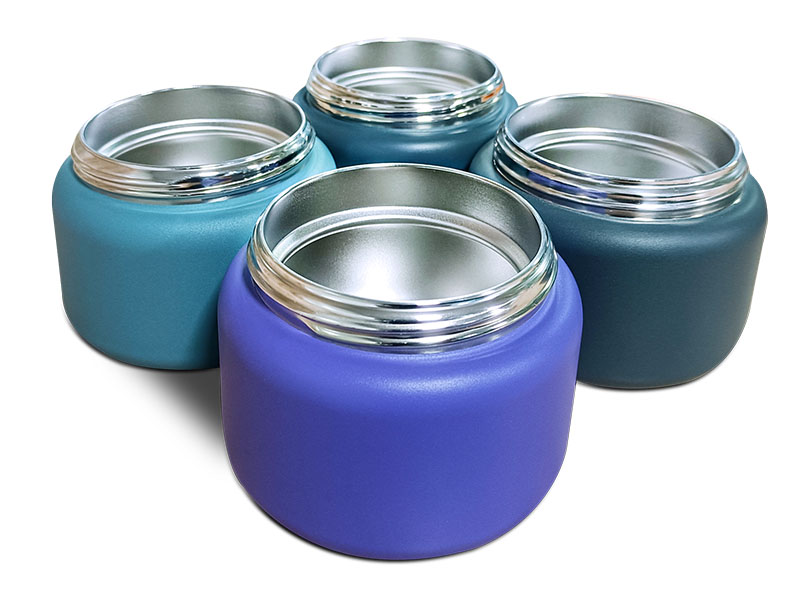
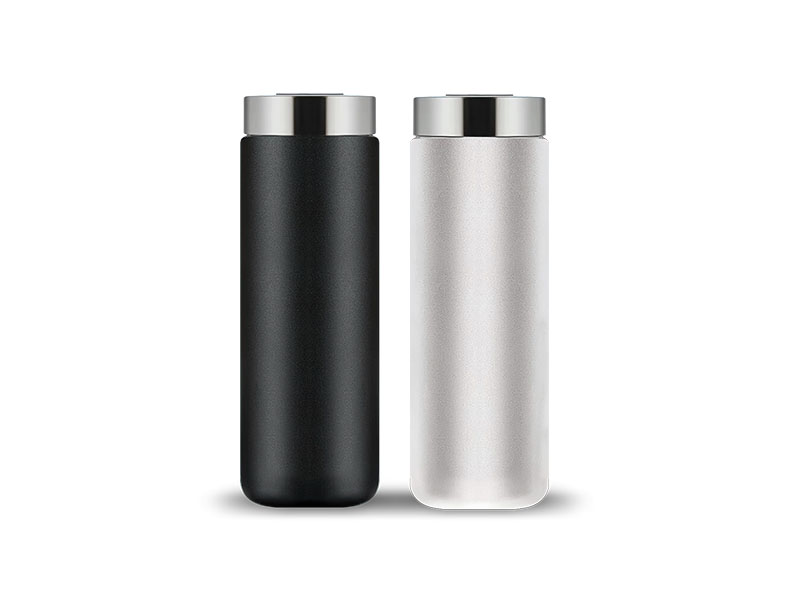
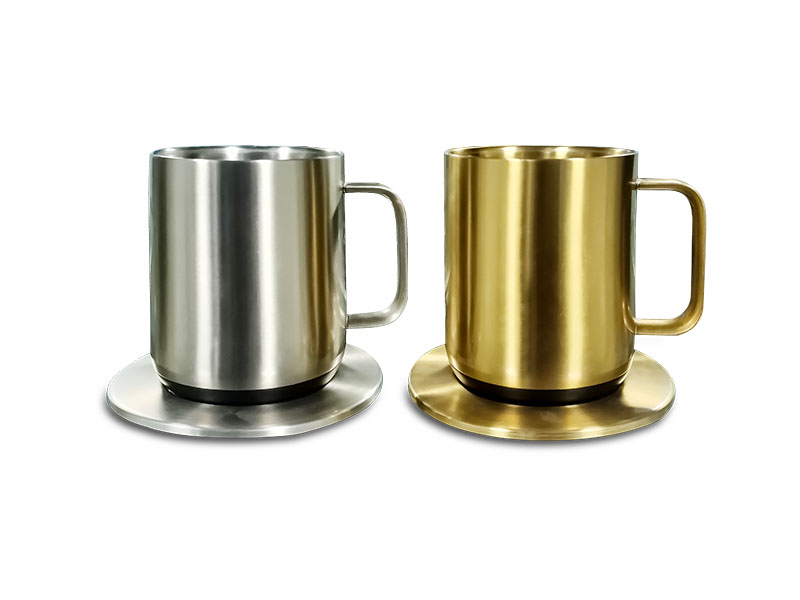
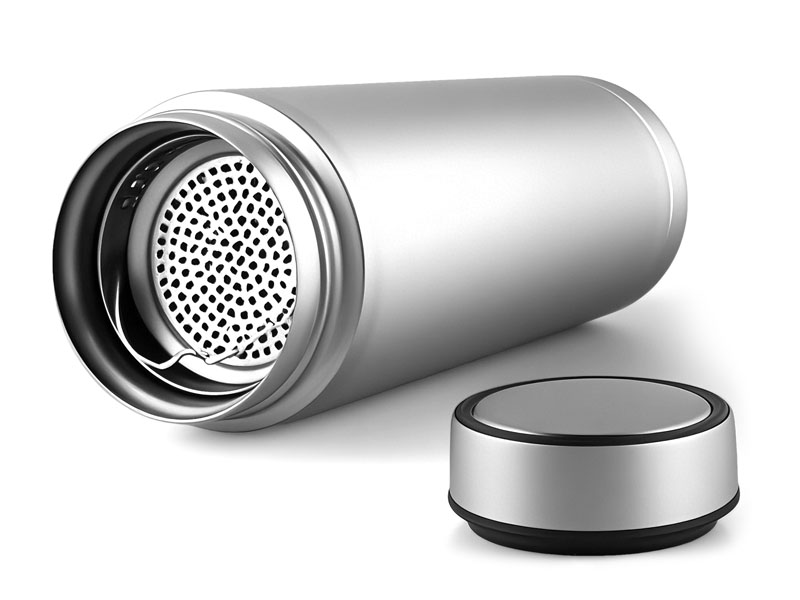
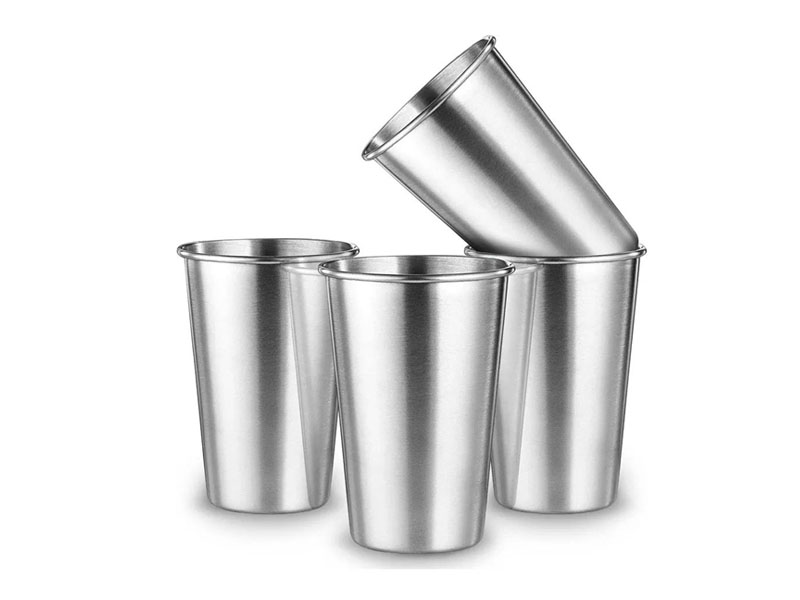
The entry of raw materials into the factory is the first line of defense. Whether it is the pure titanium sheet used for titanium cups or the food-grade stainless steel coil used for mugs, the chemical composition, mechanical properties and thickness tolerance of the materials will directly affect the subsequent forming and the qualification rate of the finished products. We conduct strict performance verification on each batch of incoming materials to ensure that they meet the requirements of deep drawing or spiral thinning processes, thus avoiding batch problems caused by material fluctuations at the source...
Titanium metal has a low density, high strength, good corrosion resistance and excellent biocompatibility. However, this also means that it imposes nearly stringent requirements on the processing technology. The mature deep drawing and stretching process used in the processing of stainless steel cups often cannot be directly applied to titanium materials. Titanium has a low elongation rate, severe springback, and a significant tendency towards processing hardening. This implies that during the cup body forming stage, more precise mold design and multiple passes of stretching processes are often required...
The core process of manufacturing stainless steel mugs lies in the stamping and stretching of the cup body. Unlike the double-layer structure of vacuum insulated cups, single-layer mugs seem simple but actually have extremely high requirements for the precision of the mold and the stability of the stamping equipment. A circular stainless steel sheet (commonly 304 or 316L) needs to go through multiple processes such as blanking, the first deep stamping, the second and even third re-stretching, shaping and trimming, before it can be transformed from a flat plate into a cup body with uniform wall thickness and a rounded bottom...
In the field of custom processing of stainless steel cups, the equipment strength and core technologies directly determine the precision and quality of the products. Wotte Technology has continuously invested and established a complete hardware guarantee and technical system. The company is equipped with advanced equipment covering the entire process of mold manufacturing and product forming, including CNC machine tools, lathes, drilling machines, presses, hydraulic presses, etc., which can meet the processing requirements of high-precision and complex-structured molds...
In the field of stainless steel cup processing, customers not only require a single production process, but also hope to find a partner who can coordinate the overall situation and control the quality. Guangdong Wotai Technology has been deeply involved in the industry for many years and has established a one-stop service system from stainless steel raw materials to the delivery of finished cupware. The service begins with a deep understanding of customer needs. Whether it is an insulated cup, an outdoor water bottle, or other cupware products...
In the manufacturing hub of Xiegang, Dongguan, Wotte Technology has rapidly grown into a leading enterprise in the field of one-stop stainless steel cup processing since its establishment in 2015. Its development journey demonstrates that driving services and technological innovation based on customer needs is the core driving force for sustainable development. Wotte's positioning goes beyond traditional processing by raw materials, and its business scope covers research and development, production, processing, sales of hardware products and intelligent equipment...
A seemingly simple thermos cup actually represents the deep integration of materials science, precise manufacturing and strict quality control. Wotte Technology continuously improves the core process of thermos cups, empowering a good cup of water with precise processing. The choice of materials directly affects drinking safety. Wotte focuses on the processing of food-grade 304 and more superior 316 stainless steel to ensure that the inner container has good corrosion resistance and stability...
In the manufacturing hub of Xiegang, Dongguan, Guangdong Wota Plastic Steel Co., Ltd. has grown rapidly since its establishment in 2015, becoming a leading enterprise in the field of one-stop stainless steel product processing. Its development journey demonstrates that mere manufacturing alone is no longer sufficient to build a protective barrier. Oriented towards customer needs and driving service and technological innovation are the core driving forces for sustainable development...
A seemingly simple thermos cup actually represents the deep integration of materials science, precise manufacturing, and strict quality control. As a professional enterprise in the processing of stainless steel thermos cups and hardware products, Guangdong Wotai Plastic Steel Co., Ltd. continuously improves its core processes. This article will deeply analyze the key technologies of thermos cup manufacturing and see how Wotai empowers a good cup of water through precise processing...
In the highly competitive field of hardware products, customers not only require a single processing step, but also hope to find a partner who can coordinate the overall process and control the quality. Guangdong Wotai Plastic Steel Co., Ltd. has been deeply involved in the industry for many years and has established a one-stop service system from stainless steel raw materials to product delivery. This article will provide you with a comprehensive analysis of how Wotai transforms your product ideas into reality through precise and efficient processing procedures...
Total43
Total page count5 |
Current page1
9First page
7Previous page
Next page8
Last page:
Jump