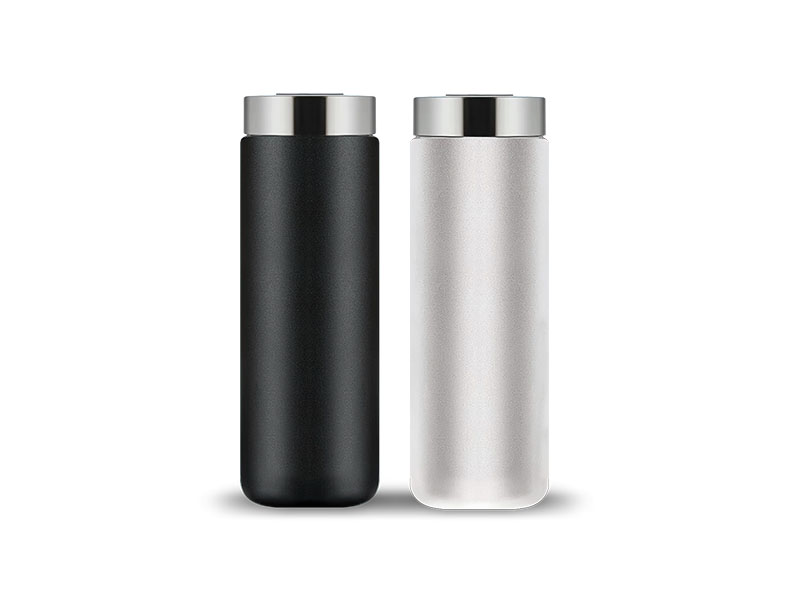
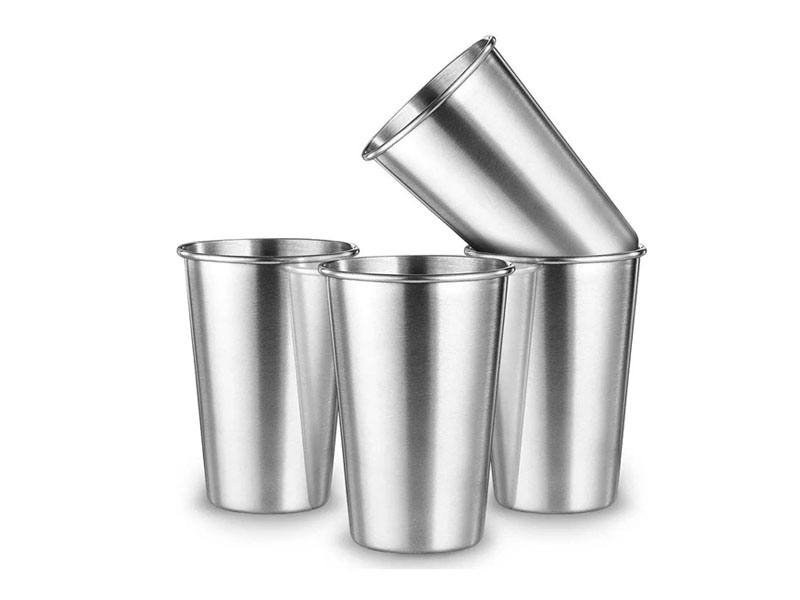
Quality is the lifeline of the manufacturing industry. At Guangdong Wota Plastic Steel Co., Ltd., quality is not just a slogan; it is a solid barrier jointly constructed by advanced production equipment, precise testing instruments, and strict management systems. This article will take you to the "smart" manufacturing site of Wota, exploring how it safeguards product quality throughout the entire process from molds to finished products...
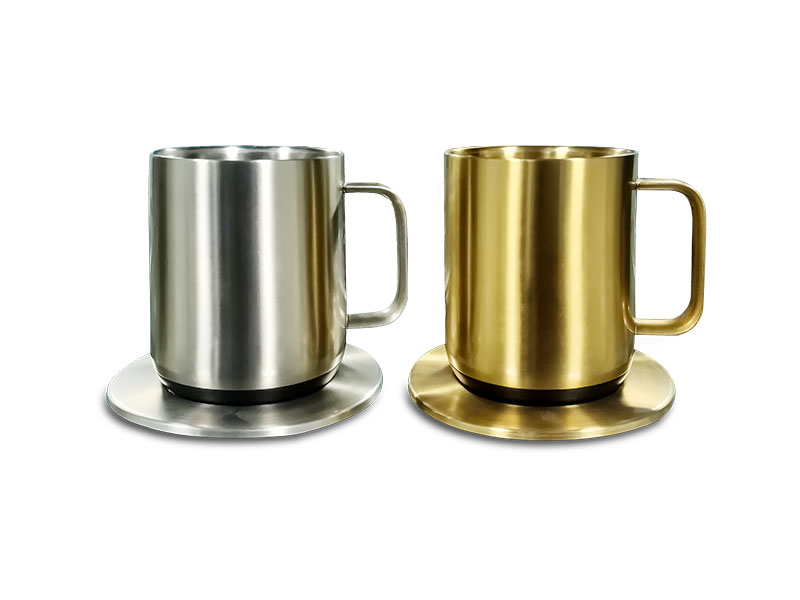
The forming process of stainless steel insulated cups is the core of their manufacturing. Currently, there are mainly two technical routes: the connection process centered on welding and edge finishing (mainstream), and the seamless process that pursues the one-piece forming of the cup body (high-end/emerging). The following table compares the characteristics and processes of these two main technical paths: Technical path Core technical links Brief process flow Main features/Purpose Welding finishing path 1. Bulging/spinning formed tubular billets → " Bulging (using a polyurethane punch or water bulging) or spinning. The rough form shapes the straight tube into the approximate shape of the cup body.
The outer surface treatment technology of stainless steel insulated cups mainly focuses on two major goals: basic protection and decorative beautification. The following figure clearly shows the complete process flow from basic treatment to final decoration: Detailed explanation of each process link 1. Surface pretreatment: The first step that determines success or failure. This step lays the foundation for subsequent coating and determines the adhesion and final effect of the coating. Cleaning and inspection: This is the crucial first step. It is necessary to use an ultrasonic cleaner to thoroughly remove the oil stains and select the cup bodies with smooth surfaces and no defects. Polishing: The purpose is to obtain a smooth metal surface. The industry is upgrading from the traditional manual polishing with abrasive belts to fully automatic and multi-station continuous polishing technology.
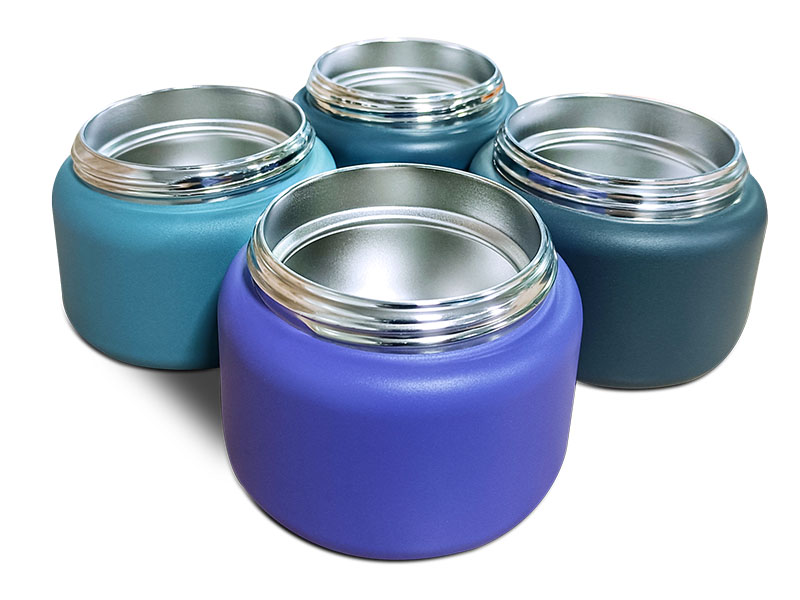
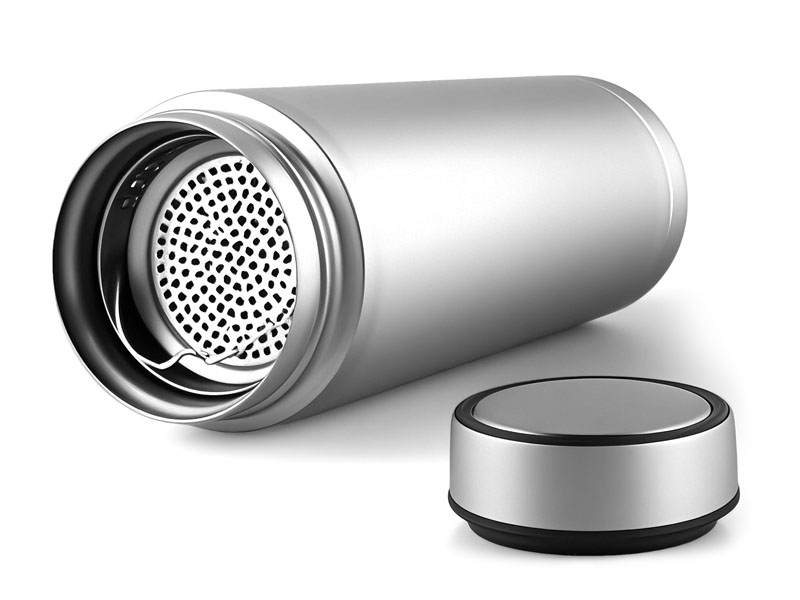
The coating and composite technology of the inner liner of the stainless steel insulated cup aims to solve the problems of corrosion, heavy metal (such as lead and cadmium) leaching and odor residue that may be caused by long-term contact between stainless steel and complex beverages (such as tea, coffee and milk). The main technologies can be divided into two major categories: inner surface coating technology and metal composite inner tank technology. The core differences and selection comparisons between them are as follows: Technology type, main technology/material, core purpose and characteristics, main advantages and disadvantages, inner surface coating technology, SiO₂ The glass coating forms a stable isolation layer through the sol-gel method, significantly reducing the precipitation of heavy metals. Advantages: Strong corrosion resistance and high safety.
The processing technology of stainless steel products involves multiple stages, and the choice of each process depends on the product's purpose, shape requirements, and performance requirements. The following is a comprehensive analysis: 1. Selection of commonly used types of stainless steel materials: austenitic (304, 316): corrosion-resistant, non-magnetic, suitable for food and medical use.
The laser cutting and CNC forming technology of stainless steel has developed rapidly in recent years, especially achieving significant breakthroughs in precision, efficiency, and intelligence. The following is an analysis of the core progress of two major technologies: 1. Progress in stainless steel laser cutting technology
Application of laser welding technology in stainless steel cup processing 1. The core advantages of laser welding technology in stainless steel cup processing are high precision and aesthetics. The weld width can be controlled at 0.1~0.5mm to realize seamless welding (especially suitable for the spout and bottom seam of high-end thermos cups).
The processing flow of stainless steel cups involves many steps, from raw material preparation to final product packaging, each link needs precise operation and quality control. The following is a typical process flow:
Stainless steel is an alloy material with characteristics such as corrosion resistance, high strength, aesthetics, and ease of processing, widely used in industries such as construction, home furnishings, and healthcare. The following is a detailed analysis of its characteristics and applications: First, the main characteristics of stainless steel are corrosion resistance. Core characteristics: chromium content ≥ 10.5% forms a passive film, which resists oxidation and acid-base corrosion.
Distinguishing between genuine and fake 304 stainless steel (i.e. whether it meets the 06Cr19Ni10 standard in GB/T 3280-2015 or the 304 standard in ASTM A240) requires comprehensive judgment through multiple methods. The following are common identification methods: 1 Chemical testing (most accurate) Spectral analysis: The composition of genuine 304 stainless steel should meet the following requirements through handheld X-ray fluorescence spectrometer (XRF) detection: